
S-Series: The Car That Defined a Brand
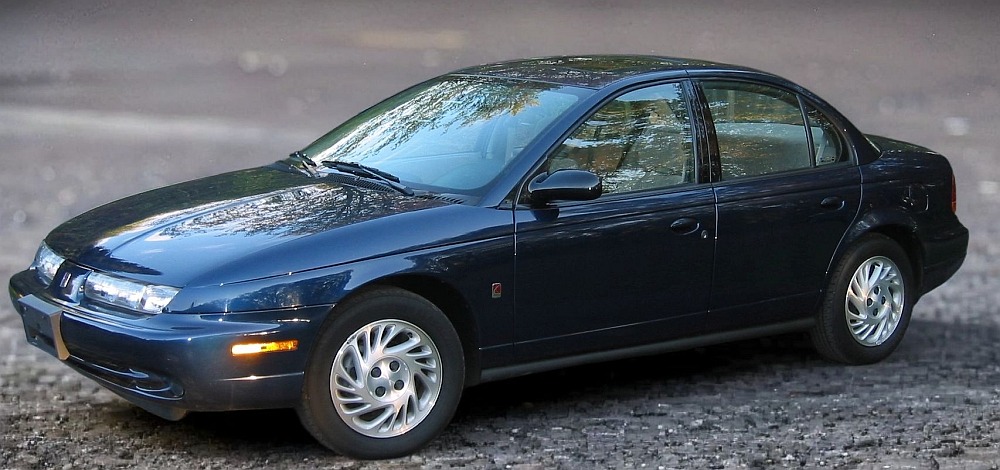
The Saturn S-Series was the inaugural line of compact cars produced by the Saturn Corporation, a subsidiary of General Motors (GM). Launched in , it quickly became the symbol of Saturn’s mission to provide affordable, reliable, and fuel-efficient cars. The S-Series helped Saturn compete with Japanese imports, solidifying the brand’s reputation in the American market. Its sleek design and performance also helped it stand out in a highly competitive compact car segment.
Built with innovation at its core, the S-Series models embodied the spirit of a different kind of car company. Saturn's bold decision to design engines specifically for this line, rather than relying on existing GM engines, allowed the S-Series to achieve a unique balance of performance and reliability. These compact cars quickly garnered a loyal following, appealing to a wide range of customers who sought not only a well-engineered vehicle but also a brand that prioritized customer satisfaction and experience.
One of the key aspects that set the S-Series apart was its groundbreaking use of polymer body panels, which were dent-resistant and rustproof. This innovation not only enhanced the durability of the cars but also allowed Saturn to offer a unique feature that resonated with buyers looking for longevity and low maintenance. The polymer panels were part of Saturn’s effort to build a vehicle that stood up to the daily wear and tear better than its competitors.
Additionally, the customer experience that Saturn cultivated around the S-Series was unlike any other in the industry. From its famous no-haggle pricing model to the extensive after-sales support, Saturn aimed to create lifelong relationships with its customers. The Saturn Homecoming events, where thousands of owners were invited to visit the Spring Hill factory, further solidified the emotional connection between the brand and its customer base, making the S-Series much more than just a car — it was a symbol of a new era in car ownership.
Innovative Features of the S-Series
- Dent-resistant Polymer Panels: Unlike most cars made with steel, the S-Series featured body panels made from plastic polymers, making the car more resistant to dings and rust.
- No-haggle Pricing: Saturn introduced a unique pricing model that eliminated the stressful bargaining process, enhancing the customer experience.
- Fuel Efficiency: With impressive mileage for the time, the S-Series was designed to offer great fuel economy, contributing to its popularity among budget-conscious drivers.
- Commitment to Safety: The car boasted advanced structural integrity, helping to keep passengers safe, which was a crucial factor in attracting families.
S-Series Model Variants
| Model | Body Style | Engine | Transmission | Production Years |
|---|---|---|---|---|
| SL | Sedan | 1.9L SOHC | 5-sp. Manual, 4-sp. Automatic | – |
| SC | Coupe | 1.9L DOHC | 5-sp. Manual, 4-sp. Automatic | – |
| SW | Station Wagon | 1.9L SOHC | 5-sp. Manual, 4-sp. Automatic | – |
Performance and Specifications
| Specification | SOHC Engine | DOHC Engine |
|---|---|---|
| Engine Capacity | 1.9L | 1.9L |
| Horsepower | 85-100 HP | 124 HP |
| Fuel Economy (City/Highway) | 30/40 MPG | 28/38 MPG |
| Transmission | 5-sp. Manual, 4-sp. Automatic | 5-sp. Manual, 4-sp. Automatic |
| Torque | 114 lb-ft | 122 lb-ft |
The Saturn S-Series offered two engine types: a 1.9L SOHC engine for the SL and SW models, and a more powerful 1.9L DOHC engine for the sportier SC variant. With its 85 to 100 horsepower range, the S-Series delivered respectable performance for a compact car. The DOHC variant, delivering 124 horsepower, added extra power for those seeking more speed and acceleration. Combined with its lightweight polymer body panels, the S-Series was not only efficient but also nimble, offering a smooth driving experience that appealed to both city commuters and long-distance travelers.
The Saturn S-Series initially launched with the Series 1, which included the SL and SC models. These first-generation vehicles were produced from to . Series 1 vehicles were praised for their reliability, fuel efficiency, and innovative use of polymer body panels. The SL (Sedan) and SC (Coupe) became popular choices for drivers looking for compact, affordable cars that could withstand everyday wear and tear. As a testament to their engineering, many Series 1 models are still seen on the road today, continuing to demonstrate Saturn's focus on durability.
In , Saturn introduced the Series 2 , which brought subtle design changes and mechanical upgrades to the S-Series lineup. Series 2 models featured improved safety features, including dual airbags and better crash test performance, which made them even more attractive to families. The Saturn SW (Station Wagon) was also introduced during this generation, offering drivers more versatility and cargo space without sacrificing the fuel economy that the S-Series was known for. This expanded lineup allowed Saturn to cater to a broader audience, reinforcing its reputation as a customer-focused brand.
The Series 3, which ran from to , marked the final generation of the S-Series. While the design remained relatively consistent with earlier models, Series 3 brought new technological advancements, including optional anti-lock brakes and traction control. However, as the automotive industry shifted toward larger vehicles and SUVs, Saturn's compact cars faced increasing competition. By the end of Series 3 production in , Saturn had decided to discontinue the S-Series in favor of expanding its lineup to include mid-sized sedans and SUVs, such as the Saturn L-Series and Vue. Despite the discontinuation, the S-Series remains a cornerstone of Saturn's legacy, known for its innovative design and customer loyalty.
Additionally, Saturn's focus on quality control ensured that the S-Series vehicles were built to last. Each model underwent extensive testing during the production process, resulting in a high level of durability. This dedication to craftsmanship made the S-Series a beloved option for drivers who valued reliability, low maintenance costs, and peace of mind.
Source: Wikipedia