
The Rise and Fall of Saturn
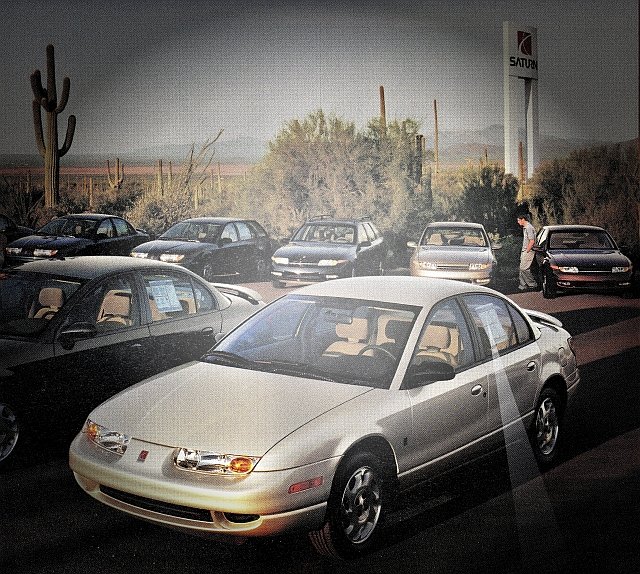
Saturn, launched in by
GM, was GM's ambitious attempt
to revolutionize the small-car market in the United States. Billed
as "a different kind of car company
," Saturn aimed to offer
affordable, reliable vehicles that would compete with popular
imports from Japan, such as Honda and Toyota. Its distinct
approach—focusing on no-haggle pricing and a
customer-first experience—was a significant departure from
traditional GM brands.
The initial years were promising, as Saturn quickly gained a loyal customer base. Saturn's small sedans and coupes, like the popular S-series, were praised for their affordability and fuel efficiency. The company’s Tennessee-based Spring Hill plant, where Saturns were manufactured, symbolized innovation with its state-of-the-art facilities and collaborative workforce model. By the mid-, Saturn had become synonymous with value and reliability.
However, the early success of Saturn began to fade as the approached. GM struggled to provide Saturn with new models and investments, leading to a lineup that stagnated in design and performance compared to competitors. Although Saturn attempted to diversify its offerings with the introduction of SUVs and crossovers like the Vue and Outlook, these models didn’t capture the same success as their early predecessors.
By , as GM faced a major financial crisis, Saturn became one of the casualties. GM's restructuring efforts led to the decision to discontinue the brand, marking the end of Saturn’s unique mission. Despite efforts to sell Saturn to other investors, the brand officially shuttered in , leaving behind a legacy of both innovation and missed opportunities.
Today, Saturn is remembered as a bold experiment in American car manufacturing, one that briefly captivated the market but ultimately fell victim to corporate challenges and shifting consumer preferences. Its rise and fall offer a lesson in the complexities of sustaining innovation in the competitive automotive industry.
Source: General Motors Archives